Adinkra is visual symbols, created by the Akan of Ghana and the Gyaman of Cote d’Ivoire in West Africa, that represent concepts or aphorisms. Adinkra is used on fabric, walls, in pottery, woodcarvings, and logos. Fabric adinkra is often made by woodcut sign writing as well as screen printing. They also can be used to communicate evocative messages that represent parts of their life or those around them. There are many different symbols all have unique looks and meanings.
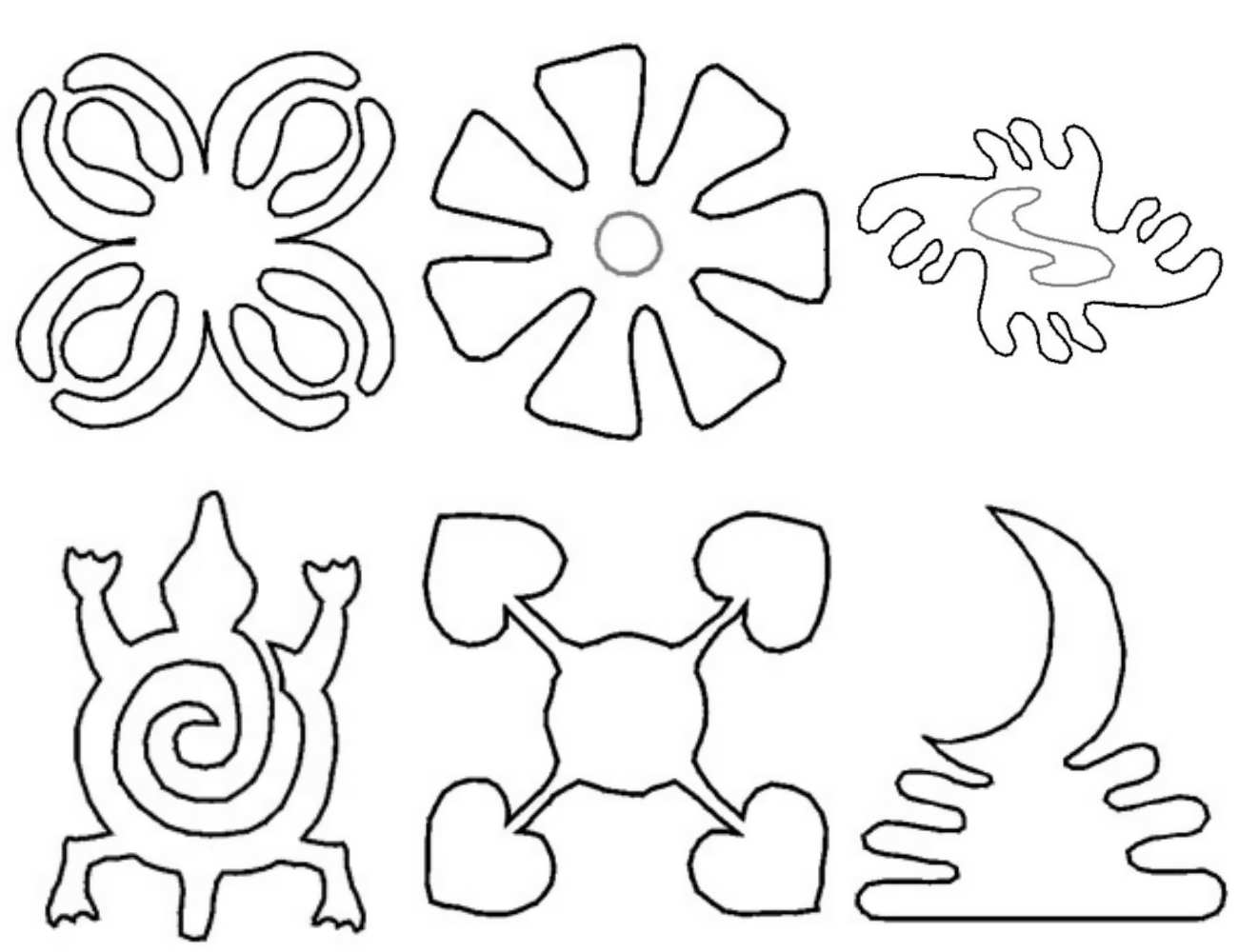
The adinkra symbols of West Africa also represent popular proverbs and maxims, record historical events, and express particular attitudes or behavior related to depicted figures or concepts uniquely related to abstract shapes. It is one of several traditional cloths produced in the region – the other well-known cloths being kente and Adanudo.
Here are some of the more popular adinkra West African symbols.
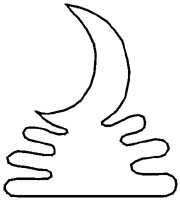
Ako Ben – the ‘war horn’. Symbol represents a state of readiness, vigilance, and wariness. It refers, in essence, to an instantaneous response to a call to arms. The symbol is based on a traditional war chief’s horn which was embellished with the jawbones of defeated enemies. It is said that such a horn sings the praises of the chief through the jaws of his enemies. |
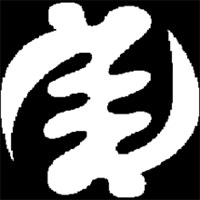
Gye Nyame, Adinkra symbol meaning except for what God allows to happen” or “Unless God allows it to happen.” |
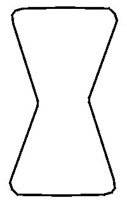
Dono – the drum. The symbol represents goodwill and diplomacy. |
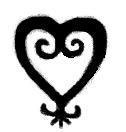
Sankofa Symbol Sankofa can mean either the word in the Akan language of Ghana that translates in English to “go back and take” (Sanko- go back, fa- take) or the Asante Adinkra symbol. It is often associated with the proverb, “Se wo were fi na wosankofa a yenkyi,” which translates “It is not wrong to go back for that which you have forgotten.” |
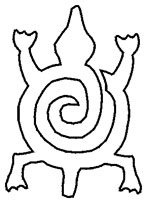
Denkyem – the crocodile. The symbol represents adaptability. “The crocodile lives in the water, and yet he breathes air” – an example of adaptation to two different environments. |
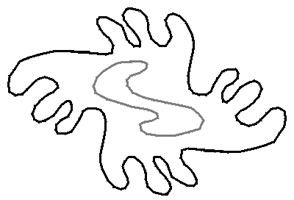
Bin Nka Bi – Bite, not one another. The symbol represents harmony and peace. The related proverb warns against provoking others into retaliation – “If you don’t harm someone, they will have no reason to harm you”. |
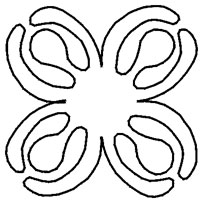
Bese Saka – a bunch of Kola Nuts. The symbol represents wealth. The Bese, or kola nut, was a favorite treat amongst the northern Akan tribes. It was a symbol of affluence and a major item of trade. |
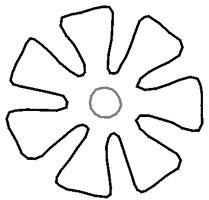
Ananse Ntontan. The symbol represents creativity and wisdom. |
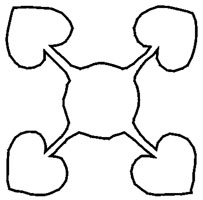
Akoma Ntoaso – Linked hearts. The symbol represents agreement and understanding. |
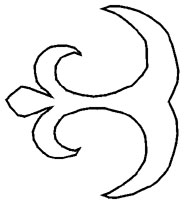
Akoko Nan – the hen’s leg. The symbol represents parental protection, mercy, and nurturing. The related proverb is “the hen treads on her chicks but she does not kill them” – the protective nature of parents for their offspring. The symbol is formed from a hen leg and spur. |
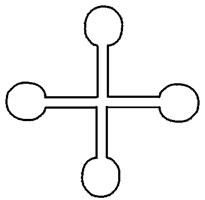
Nyame Nwu Na Mawu – If God dies, so shall I. The symbol represents the immortality of the human soul. The proverb is interpreted as “as God never dies, so my soul never dies” – after death the soul becomes one with God. |
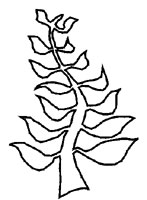
Nyame-Nti – faith in God. The symbol represents consecration, cleanliness, chastity, purity, and faith in God. The proverb related to Adwera says that “the water of life sustains through its purity”, a recommendation to the life of the virtuous and pious. |

Osrane Ne Nsoroma: In Adinkra symbols, Osrane represents the moon and Osrane Ne Nsoroma symbolizes the moon and the star. The symbol stands for the North Star (that is female) waiting patiently for the return of the Moon, her male partner. Osrane Ne Nsoroma is a symbol of love, faithfulness, commitment, and patience. It signifies the harmonious bonding between man and |

Duafe : A stylized wooden comb that was used by the Akan woman to straighten or plait her hair, Duafe symbolizes the desirable feminine traits. These include qualities like beauty and good hygiene as well as abstract virtues such as goodness of nature, love, tenderness, consideration, caution, and circumspection. |
Turkana Symbolism
The Turkana are a nomadic people that originated from Northern Uganda and eventually migrated to Kenya some 400 years ago. With their nomadic lifestyle, the Turkana developed a loose and flexible culture, not as structured as that of the Akans. They consider animals the ultimate symbol of wealth or affluence. A person may own vast stretches of land, but unless that person owns livestock, too he is considered poor. They share the practice of cutting the ears of humans and animals with other nomadic groups like the Masaai. The cutting act symbolizes “separation”, so when a child dies, the child next in line will have the tip of his ears cut off to “separate” him from death. The dead are buried facing east towards the rising sun to symbolize the beginning of their new life because the sun is a symbol of life. These are bits and pieces of Turkana symbolism not unlike in many other cultures, deeply embedded into the fabrics of their daily lives.
Color Symbolism in African Symbols
There are as many similarities as there are peculiarities in the use of color among the different cultural groups in Africa as each color conveys unique information about each particular group’s way of life. It is easier to simply cite some well-known examples of these many color symbols. Mourning generally has two official colors, depending on whether the deceased is young or old. People wear black to the funeral of a person who died young, signifying the pain of losing a loved one who has not yet accomplished his task on earth and therefore has not had the chance to prepare for an easy passage into the land of the ancestors. White, on the other hand, is worn to the funeral of an old person as a symbol of celebration for his easy passage to the land of the ancestors. In Nigeria, red holds a very powerful religious significance and is therefore worn by the chief priest of the local shrine in the performance of his official duties.
Animal Symbolism In African Culture
The use of animal symbolism in African art is intricately woven into the fabric of their culture. Animals signify human character traits and are therefore used in abundance in many African artworks, including wood carvings and embroidered clothing. The lion symbolizes royalty and strength; the female lion represents fierce motherhood and protection; the camel is a symbol of sobriety; the leopard stands for courage and aggression; the elephant symbolizes dignity, patience, and wisdom.
There are as many symbol systems in Africa as there are cultural sub-groups. Truly understanding and appreciating even a few of these symbolic systems will require total dedication from anyone who wishes to study them in-depth.