Archetypes
Archetypes can be described as blueprints of our souls. These are primordial images or patterns of behavior that we are born with. The great Greek philosopher Plato is credited with originating the concept of Archetypes. Afterward, it was advanced by the famous Swiss psychiatrist Carl Jung in his analysis of human behaviour.
Jung defined Archetypes as archaic images or universal thought forms that influence the feelings and actions of an individual. He proposed that these images, patterns or prototypes for ideas are derived from the universal or collective unconscious. According to Jung, the collective unconscious is an inherited psyche or reservoir of experience and is common to all members of a specific species.
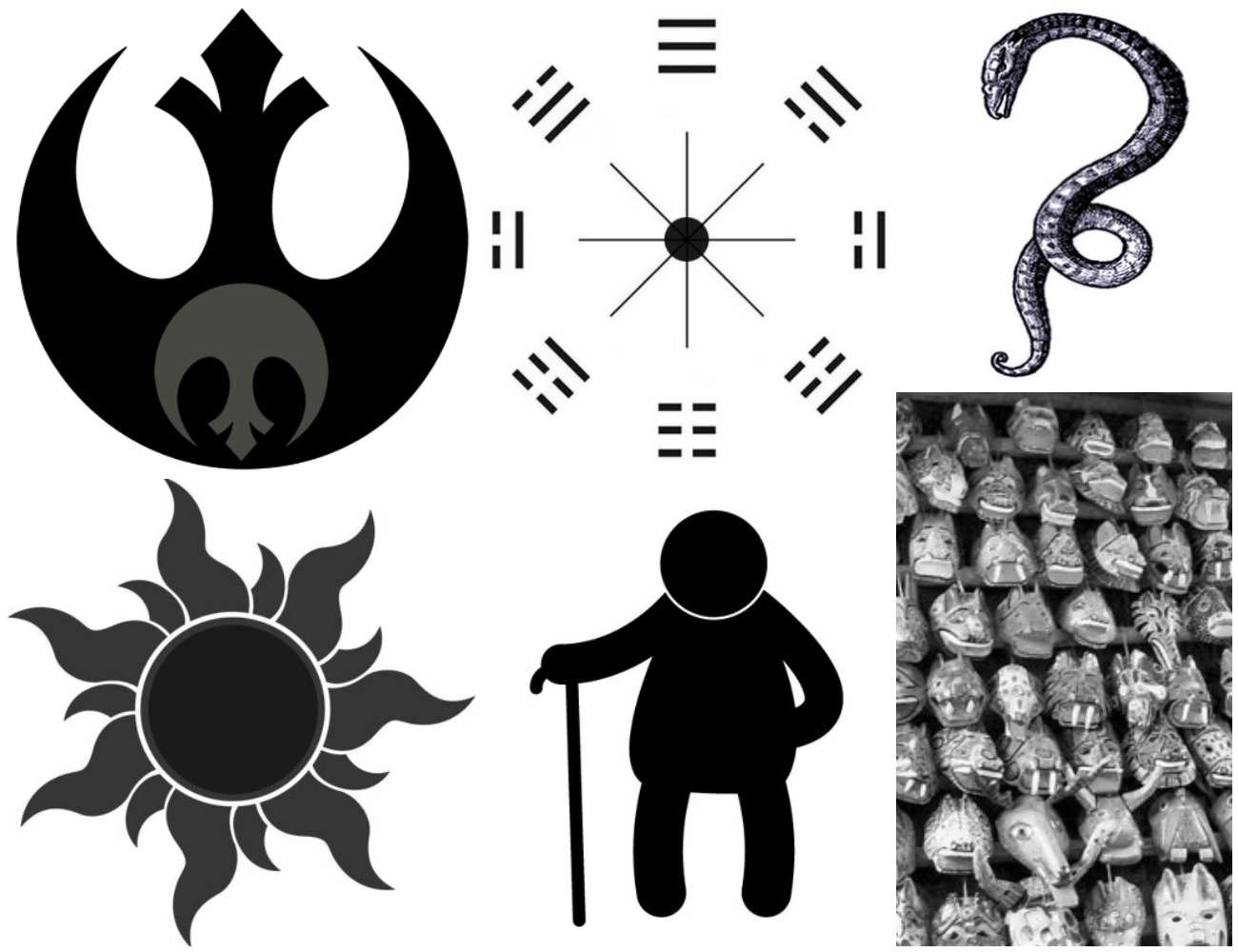
According to Jung, no fixed number of archetypes may overlap, appearing in the same person. The following are some of the main archetypes:
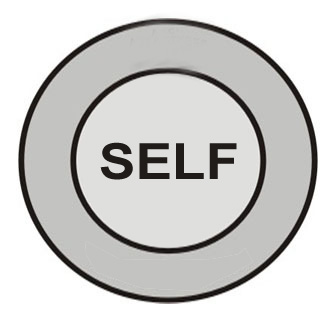 The Self: This archetype represents the wholeness of an individual that is brought about by the unification of consciousness and unconsciousness. The integration of all aspects of the personality creates the self. The self and the other archetypes cannot exist without each other. The Self: This archetype represents the wholeness of an individual that is brought about by the unification of consciousness and unconsciousness. The integration of all aspects of the personality creates the self. The self and the other archetypes cannot exist without each other. | 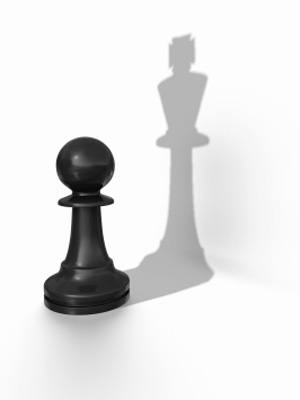 The Shadow: This is described as the psyche’s dark, wild, and unknown side. It represents the traits that lie deep within, hidden from routine daily life and are comprised of repressed desires and ideas and weaknesses/shortcomings. The Shadow: This is described as the psyche’s dark, wild, and unknown side. It represents the traits that lie deep within, hidden from routine daily life and are comprised of repressed desires and ideas and weaknesses/shortcomings. |
|---|---|
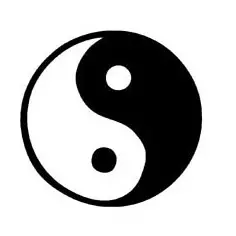 The Anima and The Animus: The Anima represents femininity, the feminine aspect within the male psyche, while the Animus represents the male aspect within the female psyche. The anima and animus help improve the relationship between men and women by allowing them to understand & communicate with members of the opposite sex. The combination of the two is called The Syzygy (the divine couple). The Anima and The Animus: The Anima represents femininity, the feminine aspect within the male psyche, while the Animus represents the male aspect within the female psyche. The anima and animus help improve the relationship between men and women by allowing them to understand & communicate with members of the opposite sex. The combination of the two is called The Syzygy (the divine couple). | 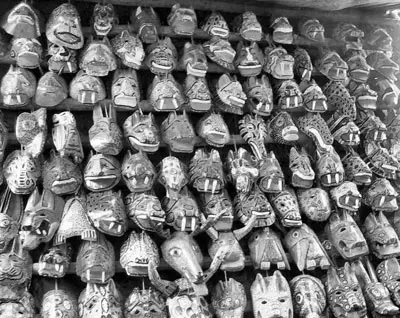 The Persona: It represents the different masks we put on among different social groups or situations. It is the way we present ourselves before the world that is often different from our true selves. The Persona: It represents the different masks we put on among different social groups or situations. It is the way we present ourselves before the world that is often different from our true selves. |
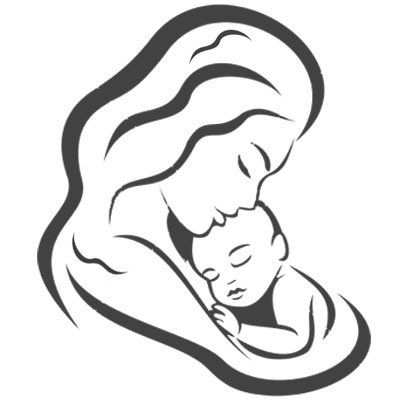 The Mother: This is the soothing, feeding and nurturing figure associated with love and warmth. The Mother: This is the soothing, feeding and nurturing figure associated with love and warmth. | 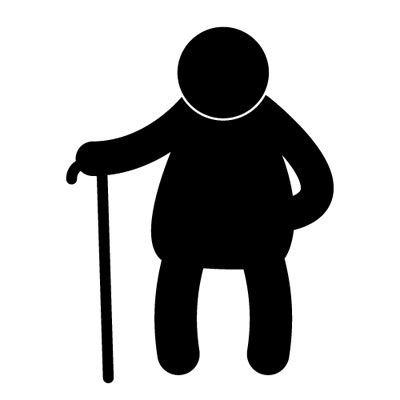 The Wise Old Man: This archetype represents knowledge, wisdom and spiritual insight. It seeks to offer protection, guidance and mentoring. The Wise Old Man: This archetype represents knowledge, wisdom and spiritual insight. It seeks to offer protection, guidance and mentoring. |
 The Hero: This is the saviour, rescuer, and champion who desires to prove his/her worth by performing courageous acts. The Hero: This is the saviour, rescuer, and champion who desires to prove his/her worth by performing courageous acts. |  The Initiation: It is a situational archetype that represents the process whereby a person is transferred to a different sphere of influence. The Initiation: It is a situational archetype that represents the process whereby a person is transferred to a different sphere of influence. |
| Along with the archetypes of figures and events, several image archetypes exist. | |
 Water: It is a symbol of life and represents creation, rebirth, and cleansing. Water: It is a symbol of life and represents creation, rebirth, and cleansing. |  Sun: It represents enlightenment, creativity, energy, spiritual wisdom and the passage of time/life. The rising sun symbolizes creation and birth, while the setting sun denotes death. Sun: It represents enlightenment, creativity, energy, spiritual wisdom and the passage of time/life. The rising sun symbolizes creation and birth, while the setting sun denotes death. |
 Colours: Red stands for sacrifice, love, violent passion and sin; Green represents fertility, hope, luck, greed, and jealousy; White symbolizes innocence, purity, death, and truth; Black represents mystery, doom, death, and power. Colours: Red stands for sacrifice, love, violent passion and sin; Green represents fertility, hope, luck, greed, and jealousy; White symbolizes innocence, purity, death, and truth; Black represents mystery, doom, death, and power. | 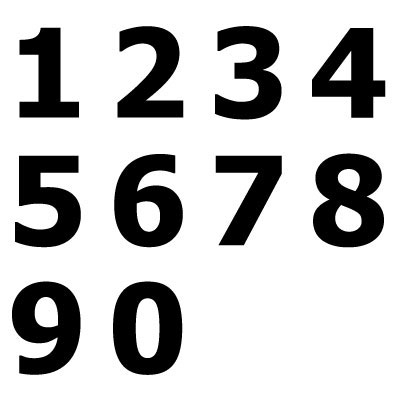 Numbers: The number 3 symbolizes light, spiritual awareness, and unity; the number 4 represents nature and the cycle of life; the number 7 symbolizes completion & perfect order. Numbers: The number 3 symbolizes light, spiritual awareness, and unity; the number 4 represents nature and the cycle of life; the number 7 symbolizes completion & perfect order. |
 Shapes: The circle represents unity and wholeness; the Oval shape symbolizes forces of regeneration and mysteries of life. Shapes: The circle represents unity and wholeness; the Oval shape symbolizes forces of regeneration and mysteries of life. | 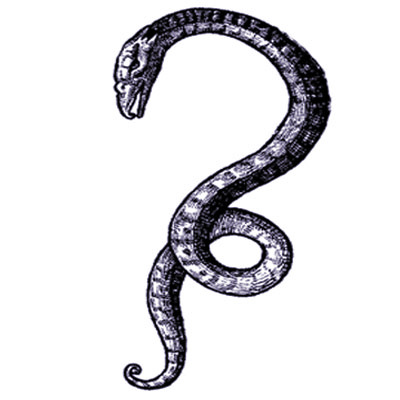 Animals: Snake represents temptation, destruction, sensuality, corruption, and evil; Dark-colored birds (hawk, raven) symbolize corruption, death, and hate; Light-colored birds (dove) represent love, peace and life. Animals: Snake represents temptation, destruction, sensuality, corruption, and evil; Dark-colored birds (hawk, raven) symbolize corruption, death, and hate; Light-colored birds (dove) represent love, peace and life. |
 The Rebel: Also known as The Outlaw, this is the revolutionary, the iconoclast or the misfit strongly inclined to break the rules and overturn, destroy or disrupt whatever is not going his/her way. The radical views and outrageous behaviour bring along a weakness that may lead one to the dark side and push into crime. The Rebel’s greatest fear is becoming ineffectual and powerless, and he/she is driven by the core desire to revolt and take revenge. The Rebel: Also known as The Outlaw, this is the revolutionary, the iconoclast or the misfit strongly inclined to break the rules and overturn, destroy or disrupt whatever is not going his/her way. The radical views and outrageous behaviour bring along a weakness that may lead one to the dark side and push into crime. The Rebel’s greatest fear is becoming ineffectual and powerless, and he/she is driven by the core desire to revolt and take revenge. | |
| The concept of Archetypes is rooted in mysticism as well as sound science. Its understanding helps you lead a more fruitful and fulfilling life. When you realize which archetype dominates your personality and that of others (friends, co-workers and loved ones), you get a deeper insight into their motivations & behaviours and can connect with them better. The archetypes and the symbols help you interpret the larger meaning of life and the changes that shape it. The totality of human experiences that your deeper mind carries enables you to face life’s challenges. |
A symbol is a form you can hold
Plato's forms are ideas beyond what can be seen, heard, touched, smelled, or tasted. Everything on earth is a representation of those forms. In that sense a symbol is an idea that has been given a physical body. The explanation is Plato's, from about the fifth century BC. The practice is older. People were using signs for many thousands of years before anyone called them forms. Many of those signs are still worn as jewelry, set in a house, or taken up as the mark of a company or a group.
Several of them already have their own pages. The Hecate wheel is the labyrinth of the Greek goddess of night, magic, and the crossroads. Tanit, the great goddess of Carthage, is drawn as a circle set on a triangle. The omphalos, Greek for navel, is the beehive-shaped stone Zeus's two eagles were said to meet at, the center of the world. The horned god is the masculine sign used in Wicca, and in Dianic Wicca a sign for the lunar goddess.
Tattwas
Tattwa, or tattva, is a Sanskrit word for principle, essence, or element. The idea is said to be older than the Greek teaching of the elements. There are five primary tattwas:
- Akasha, a black or indigo egg, is spirit, and the void of space.
- Vayu, a sky-blue circle, is air, and it is felt by touch.
- Tejas, a red triangle, is fire, and it is known by sight.
- Apas, a silvery crescent, is water, and it meets both touch and sight.
- Prithivi, a yellowish-brown square, is earth.
The Greek and alchemical reading of the same four material elements is on the four elements page.