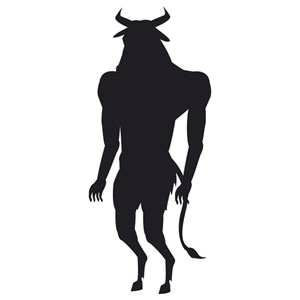
 The Minotaur In Greek mythology, the Minotaur was a creature that was part man and part bull.[1] It dwelt at the center of the Labyrinth, which was an elaborate maze-like construction[2] built for King Minos of Crete and designed by the architect Daedalus and his son Icarus, who were ordered to build it to hold the Minotaur. The historical site of Knossos is usually identified as the site of the labyrinth. Theseus eventually killed the Minotaur. “Minotaur” is Greek for “Bull of Minos.” The bull was known in Crete as Asterion, a name shared with Minos’s foster father. The Minotaur In Greek mythology, the Minotaur was a creature that was part man and part bull.[1] It dwelt at the center of the Labyrinth, which was an elaborate maze-like construction[2] built for King Minos of Crete and designed by the architect Daedalus and his son Icarus, who were ordered to build it to hold the Minotaur. The historical site of Knossos is usually identified as the site of the labyrinth. Theseus eventually killed the Minotaur. “Minotaur” is Greek for “Bull of Minos.” The bull was known in Crete as Asterion, a name shared with Minos’s foster father. |
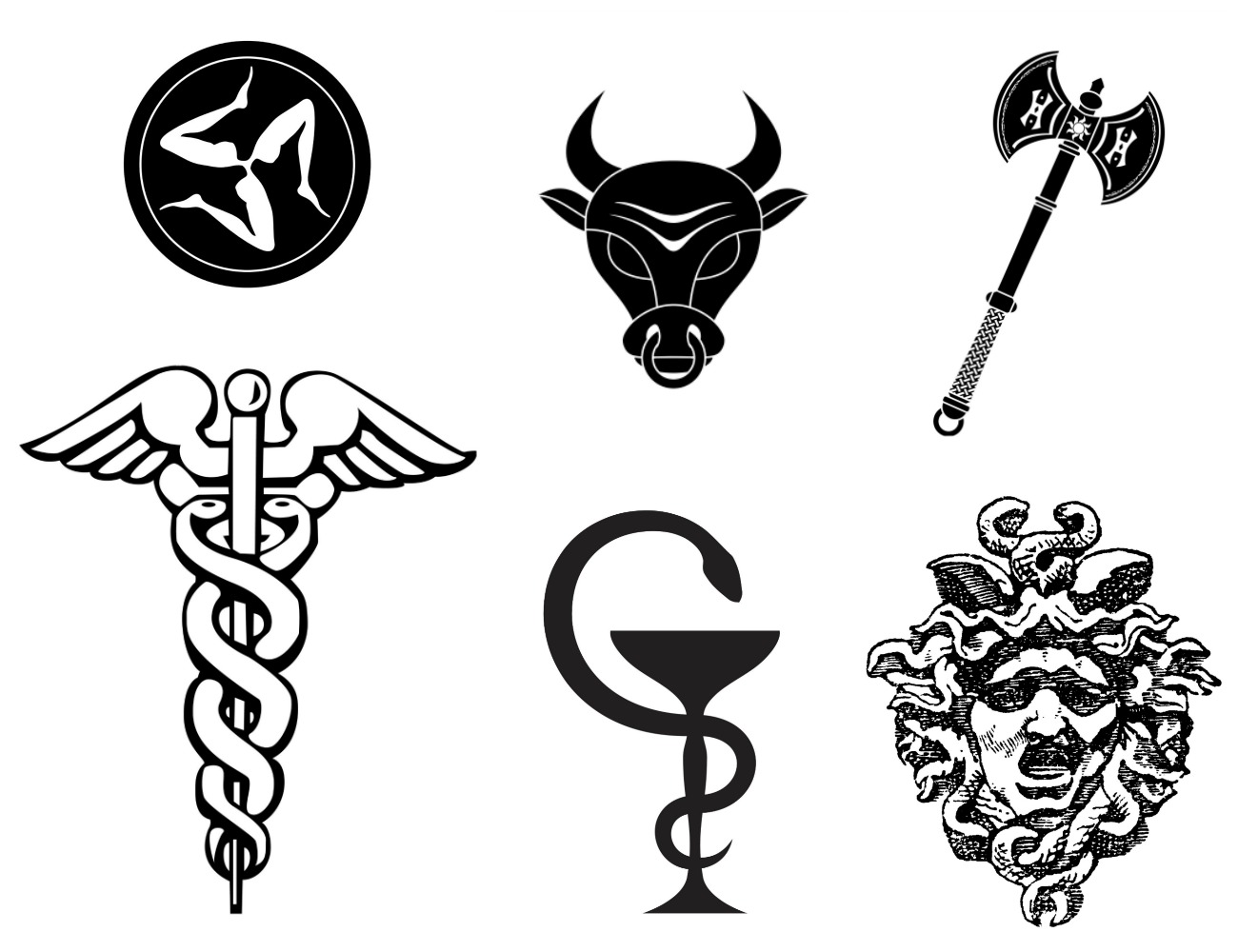
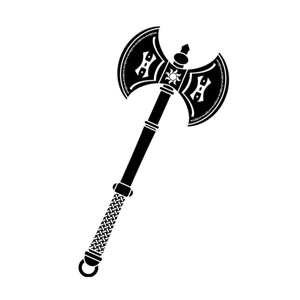 Labrys is the term for a double-headed axe, known to the Classical Greeks as Pelekys or Sagaris and to the Romans as a bipennis.The labrys symbolism is found in Minoan, Thracian, Greek, and Byzantine religion, mythology, and art, dating from the Middle Bronze Age onwards. The labrys also appear in African religious symbolism and mythology (see Shango). Labrys is the term for a double-headed axe, known to the Classical Greeks as Pelekys or Sagaris and to the Romans as a bipennis.The labrys symbolism is found in Minoan, Thracian, Greek, and Byzantine religion, mythology, and art, dating from the Middle Bronze Age onwards. The labrys also appear in African religious symbolism and mythology (see Shango).
The labrys was formerly a symbol of Greek fascism. Today, it is sometimes used as a symbol of Hellenic Neopaganism. As an LGBT symbol, it represents lesbianism and female or matriarchal power. |
 The Mano Fico, also called Figa, is an Italian amulet of ancient origin. Examples have been found from the Roman era, and it was also used by the Etruscans. Mano means “hand,” and fico or Figa means “fig,” with the idiomatic slang connotation of a woman’s genitals. (An English slang equivalent might as well be “vagina hand.”) It represents a hand gesture in which the thumb is thrust between the curled index and middle fingers in an obvious imitation of heterosexual intercourse. The Mano Fico, also called Figa, is an Italian amulet of ancient origin. Examples have been found from the Roman era, and it was also used by the Etruscans. Mano means “hand,” and fico or Figa means “fig,” with the idiomatic slang connotation of a woman’s genitals. (An English slang equivalent might as well be “vagina hand.”) It represents a hand gesture in which the thumb is thrust between the curled index and middle fingers in an obvious imitation of heterosexual intercourse. |
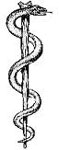 The Asclepius wand or Asclepius rod is an ancient Greek symbol associated with astrology and with healing the sick through medicine. The rod of Asclepius symbolizes the healing arts by combining the serpent, which is shedding its skin is a symbol of rebirth and fertility, with the staff, a symbol of authority befitting the god of Medicine. The snake wrapped around the staff is widely claimed to be a species of rat snake, Elaphe Longissima, also known as the Aesculapian or Asclepian snake. It is native to southeastern Europe, Asia Minor, and some central European spa regions, apparently brought there by Romans for their healing properties. The Asclepius wand or Asclepius rod is an ancient Greek symbol associated with astrology and with healing the sick through medicine. The rod of Asclepius symbolizes the healing arts by combining the serpent, which is shedding its skin is a symbol of rebirth and fertility, with the staff, a symbol of authority befitting the god of Medicine. The snake wrapped around the staff is widely claimed to be a species of rat snake, Elaphe Longissima, also known as the Aesculapian or Asclepian snake. It is native to southeastern Europe, Asia Minor, and some central European spa regions, apparently brought there by Romans for their healing properties. |
 The Solar Cross or Sun Cross features a circle around a cross; the solar cross has many variations, including the one on this page. It is an ancient symbol, carvings of which were found in 1980 on the basis of Bronze-age burial urns at Southworth Hall Barrow, Croft, Cheshire, England, and the urns date back to circa 1440 BC. This symbol has been used throughout history by different religions, groups, and families (as a Japanese samurai family crest), eventually working its way into Christian iconography. The Solar Cross or Sun Cross features a circle around a cross; the solar cross has many variations, including the one on this page. It is an ancient symbol, carvings of which were found in 1980 on the basis of Bronze-age burial urns at Southworth Hall Barrow, Croft, Cheshire, England, and the urns date back to circa 1440 BC. This symbol has been used throughout history by different religions, groups, and families (as a Japanese samurai family crest), eventually working its way into Christian iconography. |
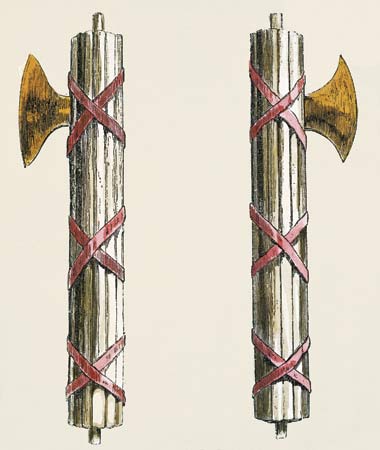 Fasces, a plurale tantum, from the Latin word Fascקs, symbolizes summary power and jurisdiction, and “strength through unity”.The traditional Roman fasces consisted of a bundle of white birch rods tied together with a red leather ribbon into a cylinder, and often including a bronze axe (or sometimes two) amongst the rods, with the blade(s) on the side, projecting from the bundle. Fasces, a plurale tantum, from the Latin word Fascקs, symbolizes summary power and jurisdiction, and “strength through unity”.The traditional Roman fasces consisted of a bundle of white birch rods tied together with a red leather ribbon into a cylinder, and often including a bronze axe (or sometimes two) amongst the rods, with the blade(s) on the side, projecting from the bundle.
It was used as a symbol of the Roman Republic in many circumstances, including being carried in processions, much the way a flag might be carried today. |
 The Omphalos – An omphalos is an ancient religious stone artifact or Baetylus. In Greek, the word omphalos means “navel” (compare the name of Queen Omphale). According to the ancient Greeks, Zeus sent out two eagles to fly across the world to meet at its center, the “navel” of the world. Omphalos stones used to denote this point were erected in several areas surrounding the Mediterranean Sea; the most famous of those was at the oracle in Delphi. The Omphalos – An omphalos is an ancient religious stone artifact or Baetylus. In Greek, the word omphalos means “navel” (compare the name of Queen Omphale). According to the ancient Greeks, Zeus sent out two eagles to fly across the world to meet at its center, the “navel” of the world. Omphalos stones used to denote this point were erected in several areas surrounding the Mediterranean Sea; the most famous of those was at the oracle in Delphi. |
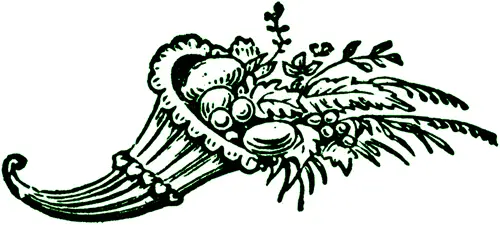 The Cornucopia – Also known as the Horn of Plenty, the Cornucopia is a Greek symbol of harvest abundance, prosperity, and nourishment. It is depicted as a spiralling horn-shaped basket filled with grains and fruits produced by the bountiful Earth. The Cornucopia symbol traces its history to Greek mythology when the God Zeus was fed as an infant by a goat, Amalthea, with her milk. Later on, Zeus rewarded Amalthea by placing her in heaven as a constellation (Capricorn) and gave her horn to his nurses, assuring them of an unending supply of everything they desired from it. The Cornucopia – Also known as the Horn of Plenty, the Cornucopia is a Greek symbol of harvest abundance, prosperity, and nourishment. It is depicted as a spiralling horn-shaped basket filled with grains and fruits produced by the bountiful Earth. The Cornucopia symbol traces its history to Greek mythology when the God Zeus was fed as an infant by a goat, Amalthea, with her milk. Later on, Zeus rewarded Amalthea by placing her in heaven as a constellation (Capricorn) and gave her horn to his nurses, assuring them of an unending supply of everything they desired from it. |
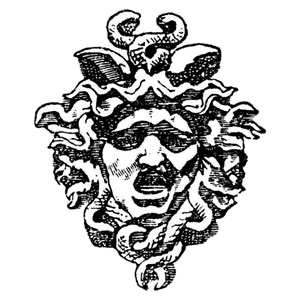  The Gorgon – In Greek mythology, a so-called gorgon, transl. gorgo or gorgon, “terrible” or, according to some, “loud-roaring,” was a vicious female monster with sharp fangs which was a protective deity from early religious concepts. Her power was so strong that anyone attempting to look upon her would be turned to stone; therefore, such images were put upon items from temples to wine kraters for protection. The Gorgon wore a belt of serpents that intertwined as a clasp, confronting each other. There were three of them: Medusa, Stheno, and Euryale. Only Medusa was mortal, and the other two are immortal. The Gorgon – In Greek mythology, a so-called gorgon, transl. gorgo or gorgon, “terrible” or, according to some, “loud-roaring,” was a vicious female monster with sharp fangs which was a protective deity from early religious concepts. Her power was so strong that anyone attempting to look upon her would be turned to stone; therefore, such images were put upon items from temples to wine kraters for protection. The Gorgon wore a belt of serpents that intertwined as a clasp, confronting each other. There were three of them: Medusa, Stheno, and Euryale. Only Medusa was mortal, and the other two are immortal. |
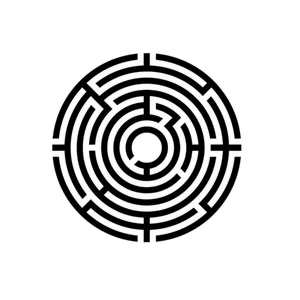 The Labyrinth – In Greek mythology, the Labyrinth (Greek labyrinthos) was an elaborate structure designed and built by the legendary artificer Daedalus for King Minos of Crete at Knossos. Its function was to hold the Minotaur, a creature that was half man and half bull and was eventually killed by the Athenian hero Theseus. Daedalus had made the Labyrinth so cunningly that he himself could barely escape it after he built it. Theseus was aided by Ariadne, who provided him with a fateful thread, literally the “clew”, or “clue”, to wind his way back again. The Labyrinth – In Greek mythology, the Labyrinth (Greek labyrinthos) was an elaborate structure designed and built by the legendary artificer Daedalus for King Minos of Crete at Knossos. Its function was to hold the Minotaur, a creature that was half man and half bull and was eventually killed by the Athenian hero Theseus. Daedalus had made the Labyrinth so cunningly that he himself could barely escape it after he built it. Theseus was aided by Ariadne, who provided him with a fateful thread, literally the “clew”, or “clue”, to wind his way back again. |
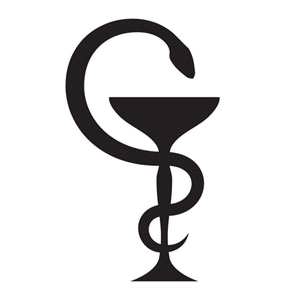 The Bowl of Hygeia The “Bowl of Hygeia” symbol is the most widely recognized international symbol of pharmacy. In Greek mythology, Hygeia was the daughter and assistant of Aesculapius (sometimes spelled Asklepios), the God of Medicine and Healing. Hygeia’s classical symbol was a bowl containing a medicinal potion with the serpent of Wisdom (or guardianship) partaking in it. This is the same serpent of Wisdom which appears on the caduceus, the staff of Aesculapius, which is the symbol of medicine. The Bowl of Hygeia The “Bowl of Hygeia” symbol is the most widely recognized international symbol of pharmacy. In Greek mythology, Hygeia was the daughter and assistant of Aesculapius (sometimes spelled Asklepios), the God of Medicine and Healing. Hygeia’s classical symbol was a bowl containing a medicinal potion with the serpent of Wisdom (or guardianship) partaking in it. This is the same serpent of Wisdom which appears on the caduceus, the staff of Aesculapius, which is the symbol of medicine. |
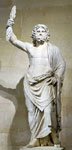 Zeus – In Greek mythology, Zeus is the “Father of Gods and men” who ruled the Olympians of Mount Olympus as a father ruled the family. He was the god of sky and thunder in Greek mythology. His Roman counterpart was Jupiter, and his Etruscan counterpart was Tinia. Zeus was the child of Cronus and Rhea and the youngest of his siblings. In most traditions, he was married to Hera, although, at the oracle of Dodona, his consort was Dione: according to the Iliad, he is the father of Aphrodite Dione. Zeus – In Greek mythology, Zeus is the “Father of Gods and men” who ruled the Olympians of Mount Olympus as a father ruled the family. He was the god of sky and thunder in Greek mythology. His Roman counterpart was Jupiter, and his Etruscan counterpart was Tinia. Zeus was the child of Cronus and Rhea and the youngest of his siblings. In most traditions, he was married to Hera, although, at the oracle of Dodona, his consort was Dione: according to the Iliad, he is the father of Aphrodite Dione. |
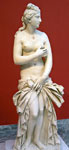 Aphrodite – Aphrodite is the Greek goddess of love, beauty, and sexuality. Her Roman equivalent is the goddess Venus. Historically, her cult in Greece was imported from, or influenced by, the cult of Astarte in Phoenicia. According to Hesiod’s Theogony, she was born when Cronus cut off Uranus’ genitals and threw them into the sea, and from the sea foam (Aphros) arose Aphrodite. Aphrodite – Aphrodite is the Greek goddess of love, beauty, and sexuality. Her Roman equivalent is the goddess Venus. Historically, her cult in Greece was imported from, or influenced by, the cult of Astarte in Phoenicia. According to Hesiod’s Theogony, she was born when Cronus cut off Uranus’ genitals and threw them into the sea, and from the sea foam (Aphros) arose Aphrodite. |
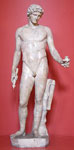 Apollo – Apollo is one of the most important and diverse of the Olympian deities in Greek and Roman mythology. The ideal of the kouros, Apollo, has been variously recognized as a god of light and the sun; truth and prophecy; medicine, healing, and plague; music, poetry, and the arts; and more. Apollo is the son of Zeus and Leto and has a twin sister, the chaste huntress Artemis. Apollo – Apollo is one of the most important and diverse of the Olympian deities in Greek and Roman mythology. The ideal of the kouros, Apollo, has been variously recognized as a god of light and the sun; truth and prophecy; medicine, healing, and plague; music, poetry, and the arts; and more. Apollo is the son of Zeus and Leto and has a twin sister, the chaste huntress Artemis. |
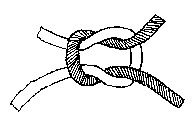 Hercules Knot – Known variously as the Knot of Hercules, Heracles Knot, Love Knot, and Marriage Knot, the Hercules Knot is a wedding symbol that stands for undying love and commitment. This knot made with two entwined ropes is considered to represent the legendary fertility of God Hercules. Though it was initially used in ancient Egypt as a healing charm, the knot became more popular among the ancient Greeks and Romans as a love token and a protective amulet. It was incorporated into the bride’s protective girdle, which the groom ceremonially untied. Hercules Knot – Known variously as the Knot of Hercules, Heracles Knot, Love Knot, and Marriage Knot, the Hercules Knot is a wedding symbol that stands for undying love and commitment. This knot made with two entwined ropes is considered to represent the legendary fertility of God Hercules. Though it was initially used in ancient Egypt as a healing charm, the knot became more popular among the ancient Greeks and Romans as a love token and a protective amulet. It was incorporated into the bride’s protective girdle, which the groom ceremonially untied.The Hercules Knot is believed to be the origin of ‘tying the knot’, a phrase that means getting married. |
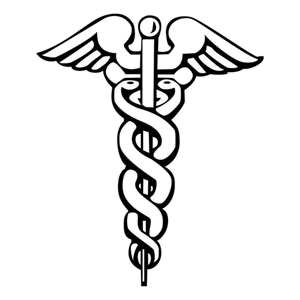 Caduceus – The Caduceus is an ancient symbol of commerce and trade and is related to negotiation and eloquence. It is associated with Hermes, the quick and cunning Greek God who is an emissary of the gods, conductor of souls into an afterlife, and protector of travellers, merchants, and herdsmen. The Caduceus also symbolizes wisdom and spiritual awakening in the Hermetic tradition.The Caduceus features a winged staff with two serpents entwined around it. It has sometimes been used mistakenly as a symbol of medicine in place of the Rod of Asclepius, which has a single snake and no wings. Caduceus – The Caduceus is an ancient symbol of commerce and trade and is related to negotiation and eloquence. It is associated with Hermes, the quick and cunning Greek God who is an emissary of the gods, conductor of souls into an afterlife, and protector of travellers, merchants, and herdsmen. The Caduceus also symbolizes wisdom and spiritual awakening in the Hermetic tradition.The Caduceus features a winged staff with two serpents entwined around it. It has sometimes been used mistakenly as a symbol of medicine in place of the Rod of Asclepius, which has a single snake and no wings. |